Westminster is one of London's most iconic areas, packed with royal landmarks, political power, and centuries of history. This guide covers the best things to see in Westminster - from world-famous sights like Big Ben and Westminster Abbey to viewpoints and details most visitors walk straight past. If you would rather explore independently and at your own pace, follow our Westminster walking route.
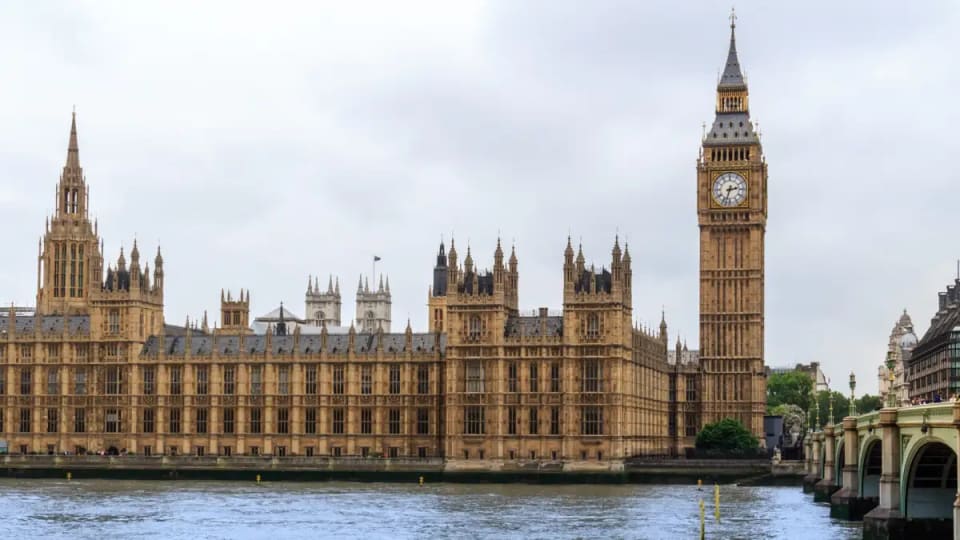
If you want to explore these places with a local guide who brings the stories to life, join our free Westminster walking tour.
1. Buckingham Palace and the Changing of the Guard
Buckingham Palace is the official London residence of the monarch and one of the most recognisable buildings in Britain. Originally built in 1703 as a grand townhouse for the Duke of Buckingham, the building only became the official royal residence in 1837 when Queen Victoria moved in. It now has 775 rooms, including 52 royal and guest bedrooms, and the State Rooms open to the public for around ten weeks each summer while the King is at Balmoral.
Most visitors gather in front of the Palace to watch the Changing of the Guard - but the best viewing spot is not at Buckingham Palace's front gates.
The best spot to see the Changing of the Guard
Head to St James's Palace at 11:35am and wait for the guards to arrive at approximately 11:42am. This is the final part of the ceremony, after the main change has already taken place. You are much closer to the guards, it is less crowded, you can hear the commands clearly, and the moment lasts around five to ten minutes. For the full step-by-step guide with timings and positions, see the Changing of the Guard guide.
During summer months it is possible to visit parts of Buckingham Palace while the King is away at Balmoral. Tickets sell out quickly - book well in advance if this is on your list.
2. Westminster Abbey
No visit to Westminster is complete without seeing Westminster Abbey, the coronation church of England since 1066. Its soaring Gothic architecture, intricate stonework, and centuries of royal history make it one of London's most impressive landmarks.
Inside the Abbey you will find the coronation chair, royal tombs, Poets' Corner where writers like Dickens and Chaucer are buried, and memorials to scientists and national figures including Isaac Newton. Westminster Abbey is not just a historic monument - it is a living church that has shaped British identity for over a thousand years.
Book Westminster Abbey tickets online before you arrive. Entry costs around £25 to £30 and queues can be long during peak season, with first entry usually around 9:30am.
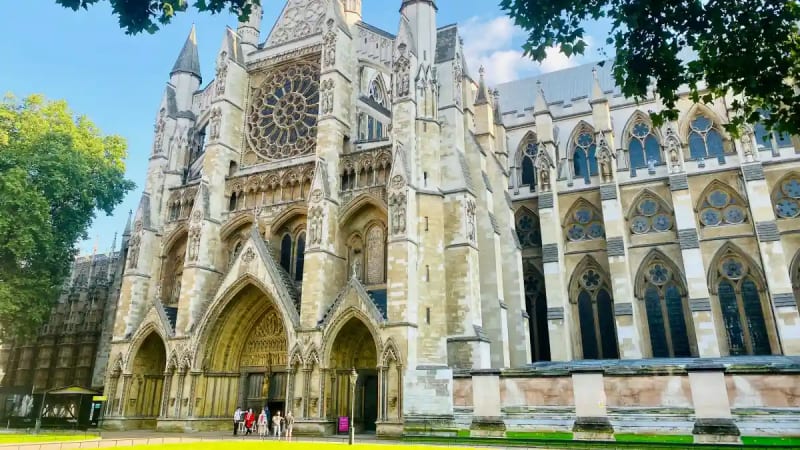
3. Big Ben and the Houses of Parliament
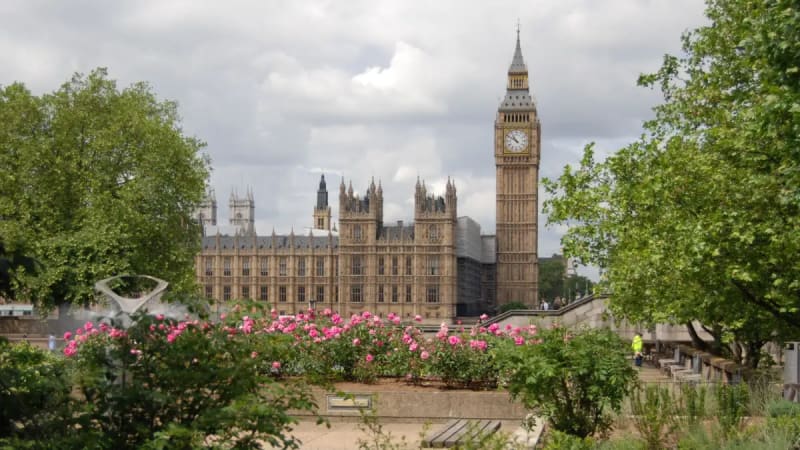
Most people call it Big Ben, but the tower is officially known as the Elizabeth Tower. Big Ben is the name of the bell inside. The tower sits beside the Palace of Westminster, home to the UK Parliament, the political heart of the country. The Elizabeth Tower stands 96 metres tall and the Great Bell inside weighs over 13 tonnes, according to UK Parliament's history of Big Ben.
Instead of lining up next to the phone boxes on Parliament Square, cross Westminster Bridge toward the south side of the river. Once across, go down the stairs on your right - this is where you will find one of the best, least crowded viewpoints of Big Ben and the Houses of Parliament reflected in the Thames. Best time: late afternoon or sunset.
4. Parliament Square and Millicent Fawcett
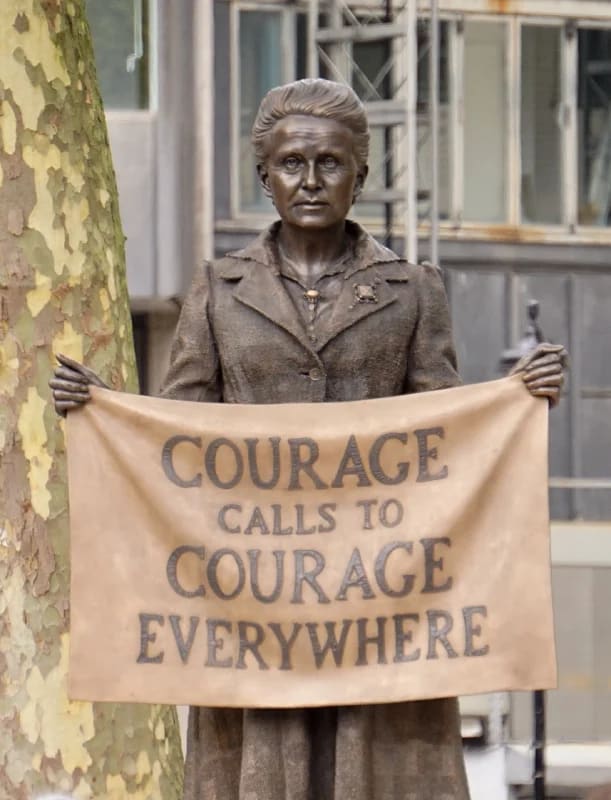
Parliament Square is not just a roundabout - it is a stage where politics, protest, and history collide. Surrounding the square are statues of global figures including Winston Churchill, Nelson Mandela, and Abraham Lincoln, but one stands out in particular: Millicent Garrett Fawcett.
Millicent Fawcett was a leading figure in the women's suffrage movement in Britain. She believed in peaceful protest, legal reform, and relentless public advocacy. Her statue was the first of a woman to be erected in Parliament Square - a powerful statement in a space traditionally dominated by men.
5. St James's Park
A short walk from Parliament, St James's Park is one of the most beautiful green spaces in central London, with views across the lake toward Buckingham Palace. Originally part of a royal hunting ground in the Tudor period, it was transformed in the seventeenth century by King Charles II, who redesigned it in the French style after years of exile in France. For more on how the wider district developed, see our history of Westminster.
The park's resident pelicans are one of its most charming features. They were first introduced in 1664 as a gift from a Russian ambassador and have lived here ever since. When you visit, see if you can spot all of them - they are usually found around the lake, perched on railings or resting near the water.
6. Westminster Hall
Many visitors walk straight past this, but Westminster Hall is one of the oldest surviving parts of the Palace of Westminster, dating back over 900 years, and the full story of the building above it is covered in our Houses of Parliament history guide. Remarkably, it survived the devastating fire of 1834 that destroyed much of the rest of the medieval palace. Over the centuries it has hosted coronation banquets, state trials, and major national ceremonies, including the state trial of Charles I in 1649 and the lying-in-state of Winston Churchill in 1965.
You can walk through Westminster Hall for free. If you want to go further, you can sit in on a debate in Parliament at no cost - members of the public are allowed to watch from the galleries.
Westminster Hall is free to enter when Parliament is in session. It's one of the most historically significant rooms in Britain, and most visitors walk straight past the entrance on their way to photograph Big Ben.
7. The Westminster Arms
After all that walking, consider stopping at The Westminster Arms, a historic pub just steps from Parliament and a well-known haunt of MPs. If you want to fit everything into a single day, our one-day Westminster itinerary sets out the order that works best. Parliament installed a division bell inside the pub so that MPs would have eight minutes to finish their drink and make it back to cast their vote when a division was called. The Westminster Arms is one of only six pubs in London that still has a division bell installed - although it no longer rings today.
Seen the big landmarks already? Our guide to hidden gems near Westminster covers what most visitors miss.