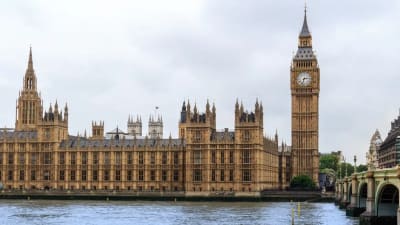
Westminster is the political and royal heart of Britain, but its story began long before Parliament or Buckingham Palace existed. The history of Westminster stretches back over a thousand years, from a marshy island beside the River Thames to the centre of the British monarchy and government.
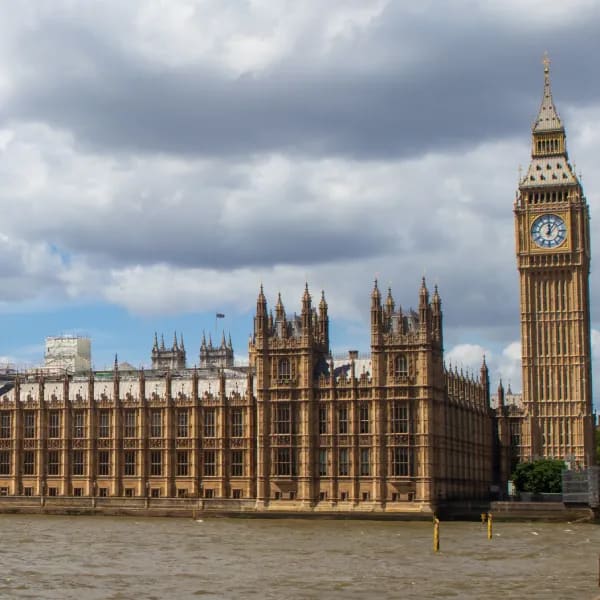
In this guide, you will explore how Westminster evolved from an early religious settlement into a powerful royal stronghold, and eventually into the home of modern democracy. You will learn why Westminster Abbey became the nation's coronation church, how the Palace of Westminster transformed into today's Houses of Parliament, and how this small district shaped the course of British history.
If you want to see these places in person and understand them in context, you can explore Westminster with a local guide on our free Westminster walking tour, which brings this history to life on the streets where it happened.
Origins of Westminster
Long before Westminster became synonymous with power, the area was known as Thorney Island, a low, marshy piece of land surrounded by the River Thames and smaller streams. In the early seventh century, it attracted religious settlers who built a small church and monastery here.
By the tenth century, the name West Minster had emerged, meaning the western monastery, distinguishing it from St Paul's Cathedral to the east in the City of London. This religious foundation laid the groundwork for Westminster's future importance.
In the eleventh century, King Edward the Confessor rebuilt the church on a grand scale, creating what would later become Westminster Abbey. At the same time, he constructed a royal palace nearby, establishing Westminster as both a spiritual and political centre of England.
Edward the Confessor's decision to build both a royal palace and a great church on the same site gave Westminster its twin identity - religious authority and political power side by side - that it has maintained ever since.
Westminster Abbey and its Role in British History
No building defines the history of Westminster more than Westminster Abbey. Originally founded as a Benedictine monastery, it gradually became the most significant religious site in England.
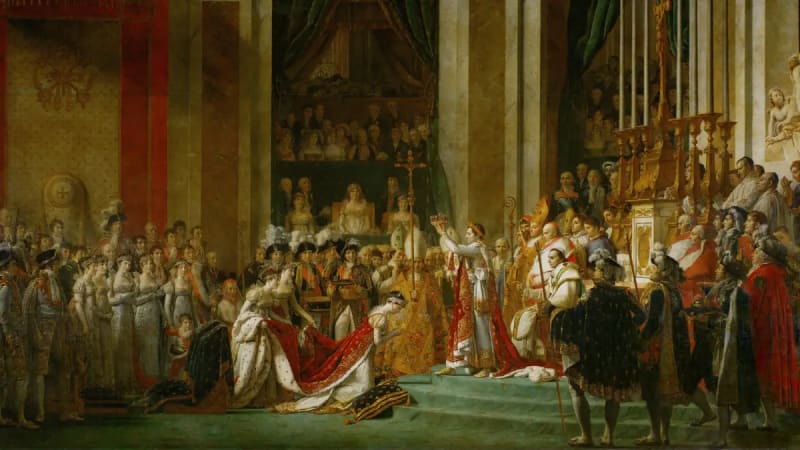
Since 1066, almost every British monarch has been crowned here, beginning with William the Conqueror. Over the centuries, the Abbey also became a burial place for kings, queens, poets, scientists, and national figures, including Charles Dickens, Isaac Newton, and Geoffrey Chaucer.
Westminster Abbey's history reflects the story of Britain itself: medieval power, religious reform, civil war, empire, and modern nationhood. Even today, it remains a working church and a symbol of continuity in British life.
Poets' Corner in Westminster Abbey is easy to walk past if you don't know to look for it. Head to the south transept - you'll find memorials to Dickens, Hardy, and Chaucer within a few metres of each other.
Westminster Through the Ages
Across the centuries, Westminster has continually reinvented itself while remaining at the heart of British life. In medieval times, it was a royal and religious hub. In the Tudor period, it became a stage for political intrigue and power struggles. During the Industrial Revolution, it stood as a symbol of Britain's growing global influence.
In the modern era, Westminster represents both tradition and democracy. It is where laws are made, where state ceremonies take place, and where millions of visitors come to understand Britain's past and present.
Today, walking through Westminster feels like stepping through layers of history, from ancient abbey stones to the bustling political streets around Parliament Square.
Start any Westminster walk at Westminster Bridge. Looking north from the bridge, you see Big Ben, Parliament, and Westminster Abbey in a single frame - a thousand years of history visible in one view.