- 01Key Takeaways
- 02The Early History of Buckingham Palace
- 03When Buckingham Palace Became the Royal Residence
- 04Buckingham Palace Today
- 05How to Tell if the King is in London
- 06The Changing of the Guard at Buckingham Palace
- The best place to see the Changing of the Guard
- 07Can You Visit Buckingham Palace?
- 08Buckingham Palace and Westminster
- 09Final Tip from London Insiders
Buckingham Palace is one of the most recognisable landmarks in London and the official residence of the British monarch. Few people know how it became a royal palace, what its role is today, or how to visit it properly.
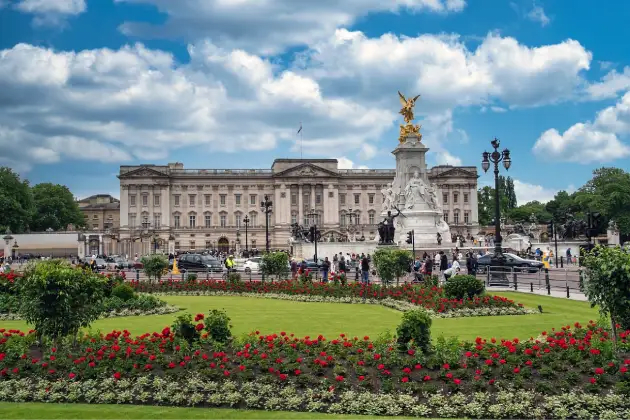
This guide covers how the palace evolved from a private townhouse into the symbolic heart of the British monarchy, how to tell if the King is in London, the best place to see the Changing of the Guard, and practical tips for your visit.
The Early History of Buckingham Palace
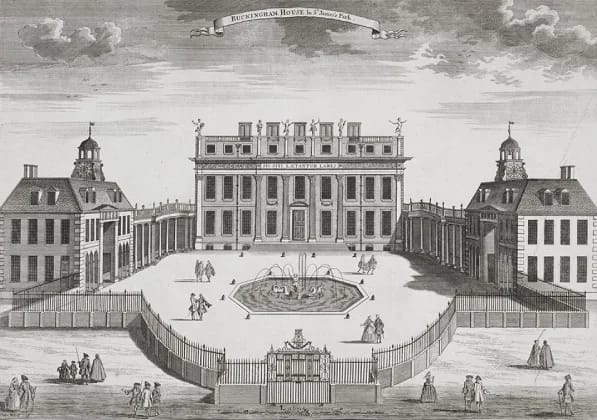
Buckingham Palace did not start life as a palace at all. In 1703, it was built as a grand townhouse known as Buckingham House, designed for the Duke of Buckingham. At the time, this area sat on the edge of London, surrounded by fields and gardens rather than government buildings and crowds.
It was not until 1761 that King George III purchased the house as a private residence for his wife, Queen Charlotte. Even then, it was not intended to be a formal royal palace - more a comfortable family home away from court life.
When Buckingham Palace Became the Royal Residence
The transformation of Buckingham House into Buckingham Palace took place in the nineteenth century. When Queen Victoria came to the throne in 1837, she moved into the building and officially made it the monarch's main London residence. At the time the palace had serious problems, including poor ventilation and plumbing, but extensive renovations gradually turned it into the ceremonial palace we recognise today. The famous façade facing The Mall was added during this period, cementing Buckingham Palace's role as the public face of the monarchy.
Buckingham Palace Today
Today, Buckingham Palace serves two roles: a working royal residence and the setting for major ceremonial events. Behind its gates are 775 rooms, offices for royal staff, state rooms used for banquets and receptions, and the famous balcony used during national celebrations. While the monarch does not live there full-time, Buckingham Palace remains the symbolic heart of royal life in London.
How to Tell if the King is in London
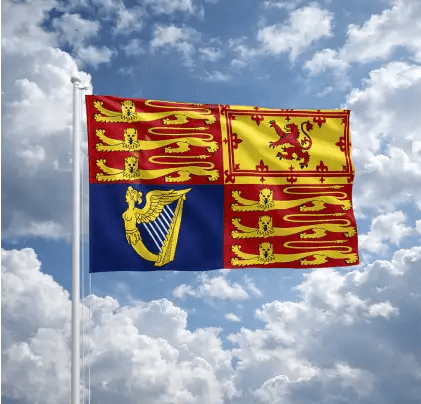
If you look up at Buckingham Palace, the flag flying above it tells an important story. If the Royal Standard is flying, the King is in London. If the Union Jack is flying, the King is away.
The Royal Standard is the official flag of the British monarch and represents the sovereignty of the Crown. Unlike the Union Jack, it is never flown at half-mast. When it flies above Buckingham Palace, the King is present somewhere in London.
If the Royal Standard is flying and you are feeling lucky, stand outside Clarence House between 3:45pm and 4:15pm - the King often returns there after a day in London. Never guaranteed, but you will usually see a small group waiting quietly. Most visitors walk straight past without knowing this.
The Changing of the Guard at Buckingham Palace
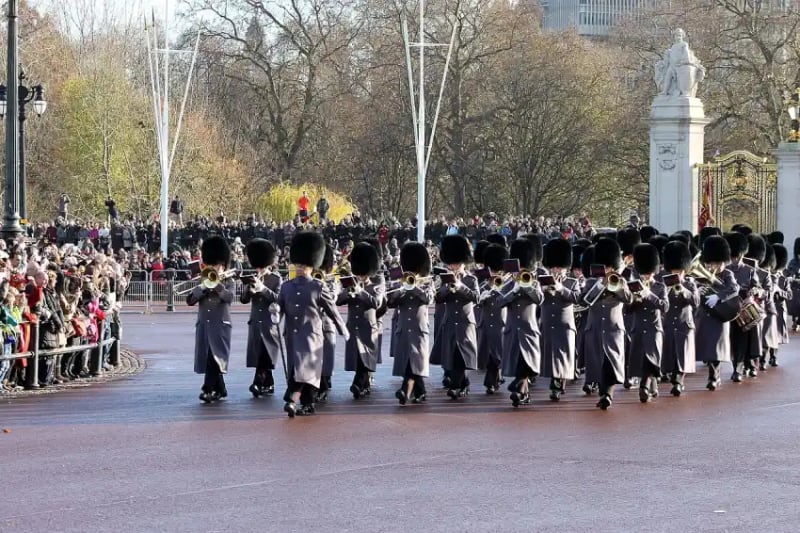
Watching the Changing of the Guard is one of the most popular royal experiences in London. The ceremony marks the handover of responsibility between the old guard and the new guard, a tradition dating back centuries. It usually takes place on Mondays, Wednesdays, Fridays, and Sundays, though this varies by season and royal commitments. It can also cancel at short notice, most commonly due to heavy rain. Always check the official Household Division page before your visit.
The best place to see the Changing of the Guard
If you are looking for the best viewing spot, go to St James's Palace rather than standing outside Buckingham Palace. Head there by 11:30am. At approximately 11:43am, guards arrive from Buckingham Palace for the final stage of the ceremony - fewer crowds, closer views, clearer sound, and around five to ten minutes for photos and video. The full step-by-step guide is at the Changing of the Guard guide.
Can You Visit Buckingham Palace?
Yes - but only at certain times of the year. During summer months, when the monarch is not in residence, visitors can tour the State Rooms. These rooms are used for official events, banquets, and receptions, and offer a rare glimpse inside the palace. Tickets sell out quickly, so booking in advance is strongly recommended.
Buckingham Palace and Westminster
Buckingham Palace is closely tied to the wider story of Westminster, the area that has shaped Britain's political and ceremonial life for centuries. To understand how the palace fits into this bigger picture, see the History of Westminster guide.
Final Tip from London Insiders
Buckingham Palace is far more than a photo stop. Understanding its history and traditions transforms the experience. If you want to explore it as part of a wider story, join our free Westminster walking tour and see it through the eyes of a local guide.
It doesn't happen every day - check our Changing of the Guard schedule before you visit.