- 01Key Takeaways
- 021. Westminster Hall: One of the Best Hidden Gems Near Westminster London
- 032. Jewel Tower
- 043. St John's Smith Square
- 054. Blewcoat School
- 065. Little Sanctuary and the old Tothill Fields
- 076. The Cloisters, Westminster Abbey
- 087. Barton Street and Cowley Street
- 098. The Cinnamon Club
- 109. Little Ben
- 1110. Practical Notes: Exploring Hidden Gems Near Westminster London
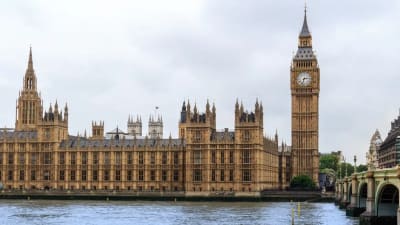
Westminster is one of the most visited areas in London. Millions of people walk past Parliament, cross Westminster Bridge, and photograph Buckingham Palace each year. Most of them miss what is right beside them. This guide covers the best hidden gems near Westminster London: older, quieter places that sit in the shadow of the famous sights, usually empty even at midday.
1. Westminster Hall: One of the Best Hidden Gems Near Westminster London
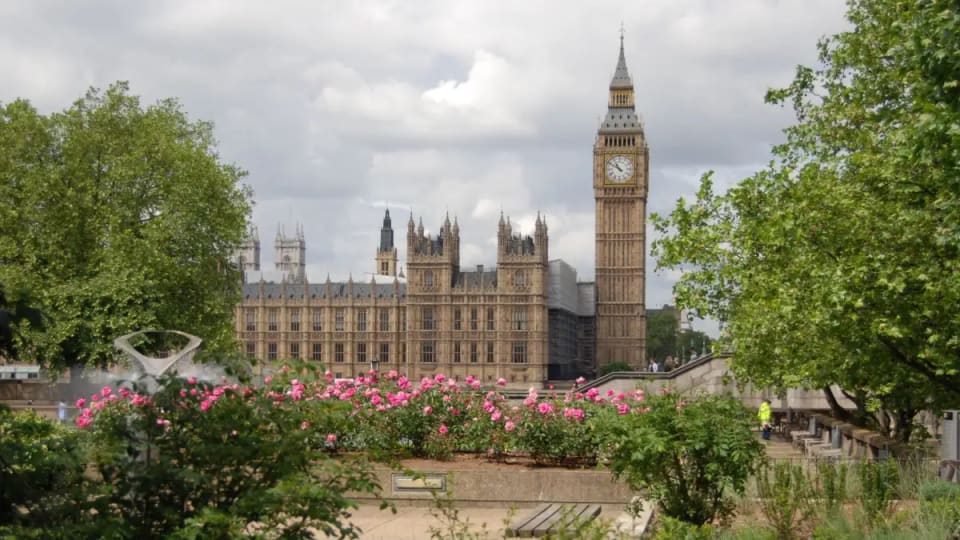
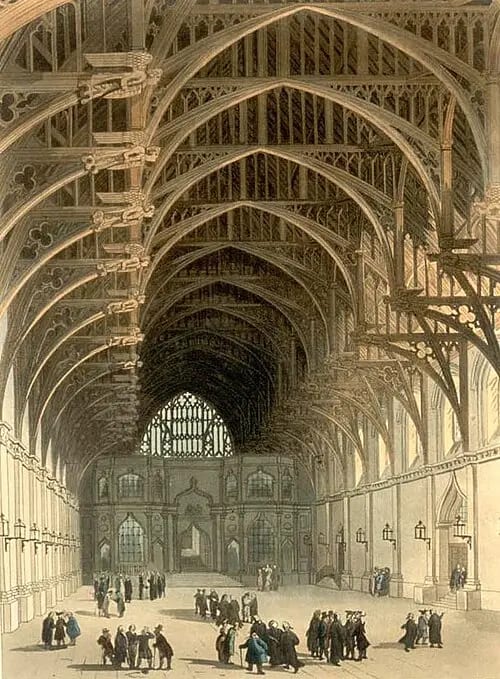
Westminster Hall is the oldest surviving part of the Palace of Westminster, dating from 1097 under William II. It survived the fire of 1834 that destroyed most of the palace around it. The hammer-beam roof, added in the 1390s under Richard II, spans 21 metres without a single supporting column - a feat of medieval carpentry that has not been surpassed. The Hall has hosted coronation banquets, the trial of Charles I, and the lying-in-state of Winston Churchill. It was also where Parliament formally told two kings their reign was over. Sitting days and public access details are listed on the official UK Parliament website.
Westminster Hall is free to enter when Parliament is in session. The entrance is through St Stephen's Gate on the western face of the building. Most visitors queue outside the main entrance assuming everything costs money - Westminster Hall doesn't, and nearly all of them miss it entirely.
2. Jewel Tower
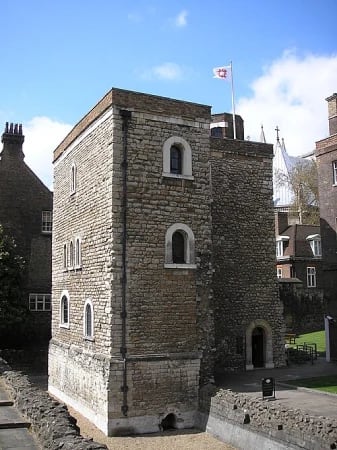
Three minutes from Parliament, on the opposite side of Abingdon Street, stands a small medieval tower that almost no one visits. The Jewel Tower was built in 1365 to store the personal treasures of Edward III. It survived the 1834 fire that destroyed most of the Palace of Westminster, which makes it one of the very few surviving medieval royal buildings in London. Inside, you can see original stonework, a moat, and a small exhibition on the history of Parliament, covered in more depth in our guide to Houses of Parliament history and facts. Entry is cheap and the queues are almost nonexistent even in peak summer, and English Heritage lists current opening times on its official Jewel Tower page.
3. St John's Smith Square
Walking south from Parliament through the quiet residential streets of Smith Square, you reach one of the most striking Baroque churches in London. Thomas Archer designed it in 1728, and it is said Queen Anne kicked over a footstool and told him to use that as his model - which is why it has four corner towers. It was bombed in 1941, gutted, and eventually restored as a concert hall. Check the programme; the acoustics are exceptional and tickets are reasonably priced. It fits neatly into a longer walk, and pairs well with our one-day Westminster itinerary if you want to see more of the area in a single visit.
4. Blewcoat School
On Caxton Street, around the corner from Westminster Abbey, a small early eighteenth-century building hides behind a blue coat statue at its entrance. This was a charity school built in 1709 to educate poor children of the parish. The building is now a National Trust shop, which means you can walk in. The original schoolroom interior survives and gives you a completely different sense of what Westminster looked like before the tourist infrastructure arrived.
5. Little Sanctuary and the old Tothill Fields
The name Sanctuary comes from the medieval right of sanctuary - fugitives could claim protection from arrest by reaching Westminster Abbey's precincts. The area around the Abbey was once covered by Tothill Fields, a wild common used for duels, fairs, and eventually a prison. Almost nothing of that landscape survives, but the street names still carry the history. Walk the side streets between the Abbey and St James's Park and you are passing through one of the most historically dense areas in London.
6. The Cloisters, Westminster Abbey
Most visitors pay full admission to Westminster Abbey and miss the fact that the cloisters are free. The entrance is on the south side of the Abbey through the College Garden gate. The cloisters date from the thirteenth and fourteenth centuries and are among the best-preserved medieval architecture in London. College Garden, beside them, is one of the oldest continuously cultivated gardens in England - monks have grown things here for over nine hundred years.
7. Barton Street and Cowley Street
Two streets in the residential core of Westminster, running between the Abbey and the Thames, look almost exactly as they did in the eighteenth century. The houses are Georgian, the streets are quiet, and the area feels entirely disconnected from the Parliament Square crowds two minutes away. T.E. Lawrence lived on Barton Street while writing Seven Pillars of Wisdom. It is worth walking through slowly and noticing what London looked like before the twentieth century changed everything else.
8. The Cinnamon Club
This is included not as a restaurant recommendation but as a building observation. The Cinnamon Club is housed in the former Westminster Library, built in 1893. You can look in from the street to see the original library interior - the high ceilings, the gallery, the original fittings - now filled with tables. It is one of the more disorienting interiors in London, and worth a moment even if you are not eating there.
9. Little Ben
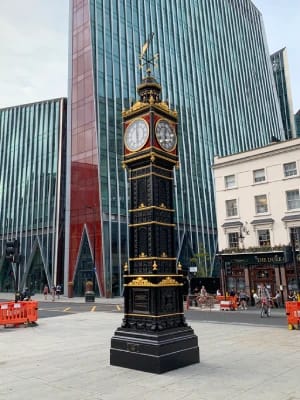
Near Victoria station, around ten minutes' walk from Parliament Square, stands a small Victorian cast iron column clock that almost nobody notices. Little Ben is a miniature replica of the Elizabeth Tower, erected at the corner of Wilton Road and Victoria Street in 1892. It was removed in 1964 for roadworks and reinstated in 1981 after restoration. It stands about five metres tall and makes no attempt to be impressive. It is simply a clock, placed where Londoners would find it useful, and it has outlasted most of what surrounded it.
10. Practical Notes: Exploring Hidden Gems Near Westminster London
These hidden gems near Westminster London are all walkable. Westminster Hall, the Jewel Tower, the Cloisters, and Blewcoat School are within ten minutes of Parliament Square. St John's Smith Square and Barton Street are another five minutes south, and Little Ben is ten minutes toward Victoria. The best time to walk these streets is early morning, before the tour groups arrive at the main sights. By eight in the morning, most of Westminster is quiet and entirely yours. For a structured route through the area, see our Westminster walking route, or read the history of Westminster for context on why these corners survived. If you want a guided introduction first, the Westminster Free Walking Tour passes close to several of these spots.